Competitive analysis and benchmarking is recognized as one of the most effective decision-making tools in product design, development, and management. The purpose of this process is to precisely understand the market landscape, accepted standards, competitors' strengths, and the gaps where your product can create differentiation and innovation. In many product teams, before designing any new feature or restructuring the user experience, competitive analysis is performed as a mandatory step so that decisions are based on data and precise analysis, not merely guesswork or personal preference.
Initially, direct and indirect competitors are identified. Direct competitors are products that deal with a similar need or problem but with a similar solution; indirect competitors are products with a similar goal but a different path or technology. For example, in an online learning application, direct competitors could be similar educational platforms, but indirect competitors might be tools like podcasts or free educational channels. Identifying these two categories helps provide a more complete view of the product's competitive landscape.
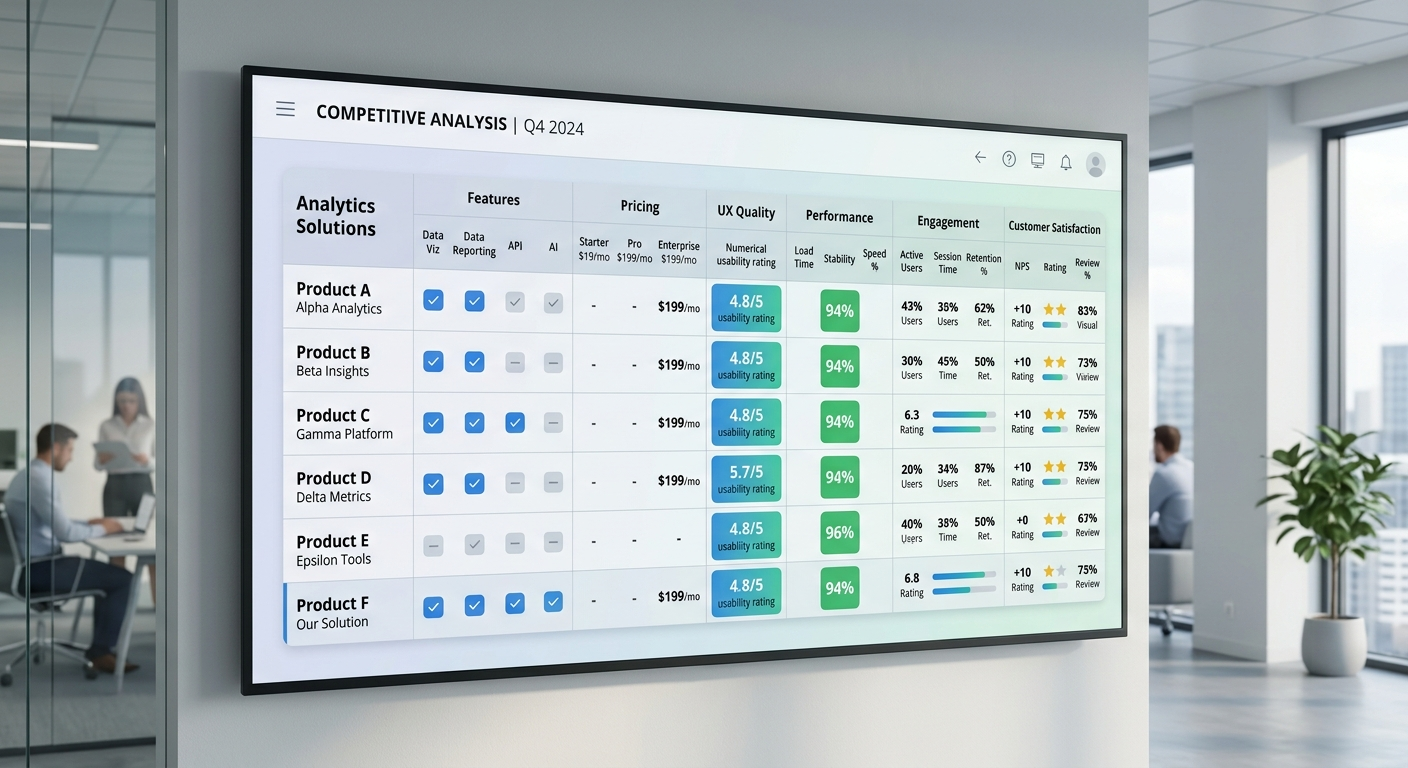
In the next stage, the features and capabilities of competitors' products are analyzed. This analysis includes examining performance levels, user experience, visual design, user engagement rates, revenue models, and customer satisfaction indicators. The goal is to understand what aspects have led to a product's success and where a better experience can be offered to gain a stronger competitive position.
- Analyzing key features and functions of similar products
- Reviewing user interaction flows and pain points
- Evaluating content quality and brand communications
- Assessing speed, performance, and system reliability
- Analyzing competitors' growth and marketing strategies
To perform benchmarking, quantitative and qualitative data of each product are placed in a comparative structure. In this table or dashboard, each feature is measured against competitors to determine the product's position relative to the market. This method helps decision-makers plan the improvement path more precisely based on measurable facts.
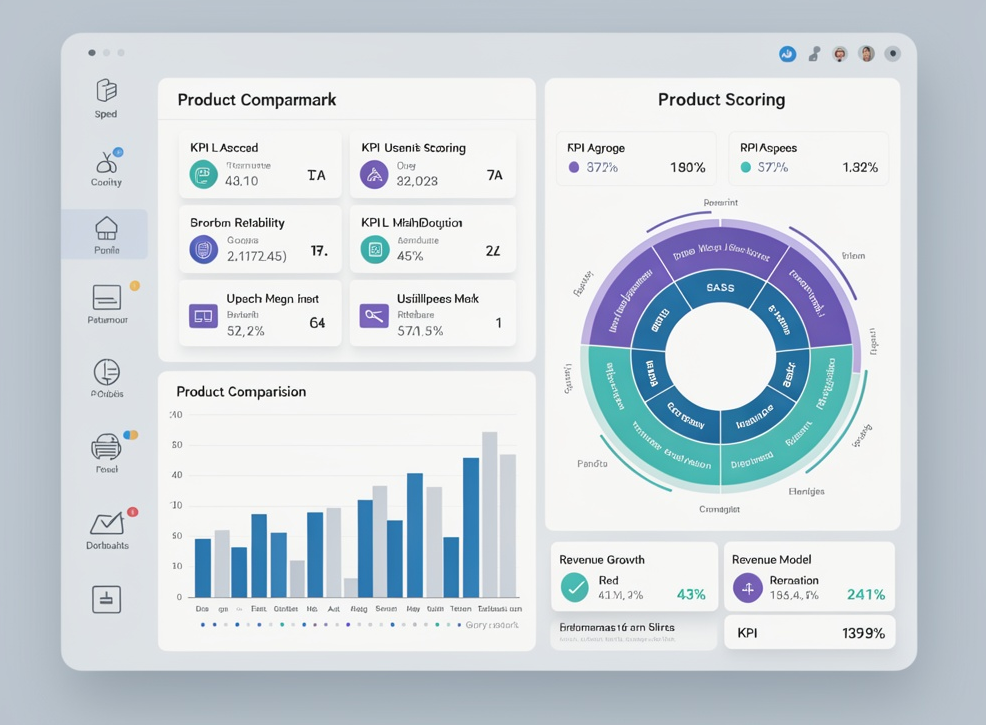
Alongside quantitative analysis, qualitative user experience analysis is also very important. Examining user behavior in competitors' products, the type of communications, ease of use, and the overall feel of the design can provide deep insight into user expectations. These reviews are typically conducted using methods such as usability testing, social media feedback analysis, and reviewing user comments in app stores.
- Analyzing user feedback in App Store or Play Store
- Reviewing positive aspects of user interaction with competitors' products
- Finding UX weaknesses and proposing improvement solutions
- Documenting findings for product design decisions
The output of competitive analysis is typically a comprehensive report including a comparison matrix, highlights of each product, discovered opportunities, and strategic recommendations for future design and development. This report can be used in decision-making meetings, investment presentations, or roadmap development. Benchmarking helps product managers know exactly where they stand and what actions can reduce the gap with competitors or create a new advantage.
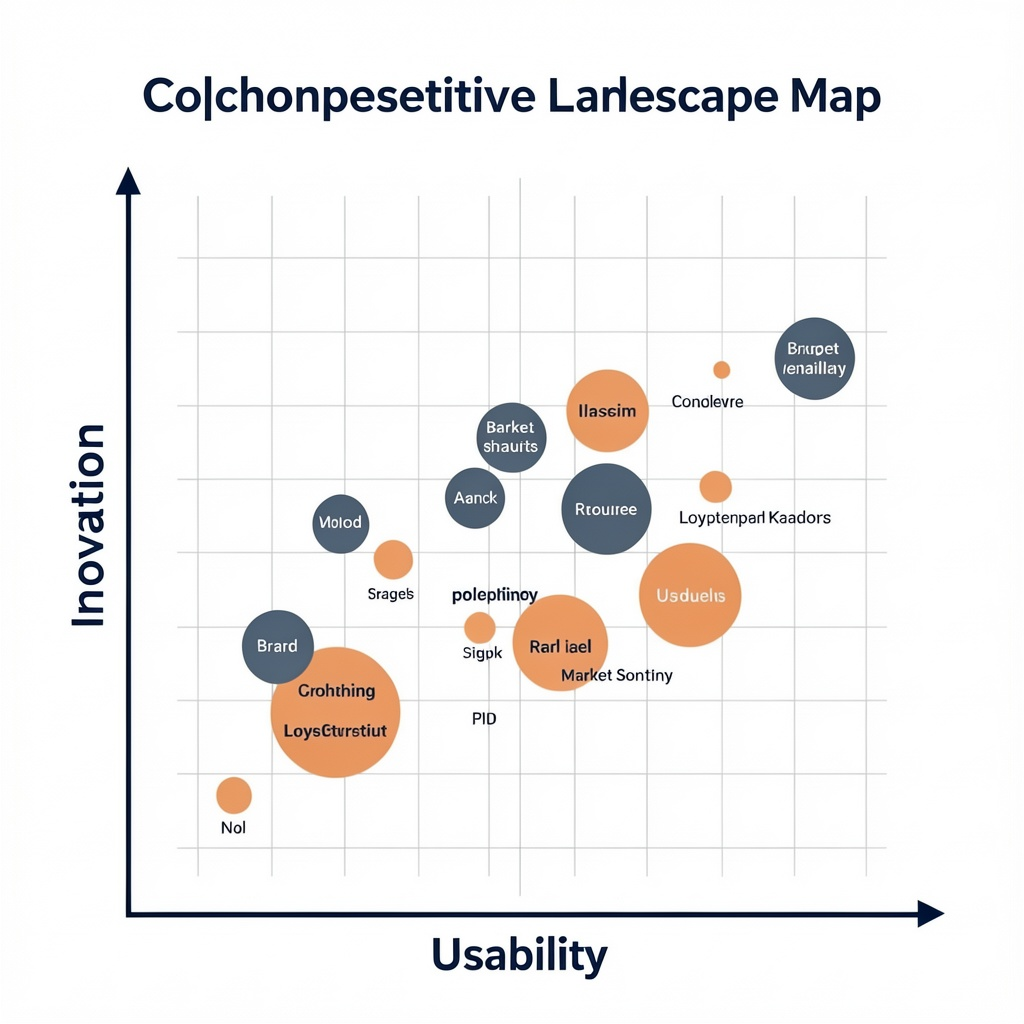
Ultimately, competitive analysis should not be limited to a static report. The market and user behavior are constantly changing, so it is better to perform this process periodically to keep the product competitive. Professional product teams typically conduct a new competitive analysis every three to six months to ensure their product strategies are aligned with market changes.