User Interface Design (UI Design) is one of the most important parts of digital product design, dealing with the appearance and form of user interaction with the system. In this process, all visual elements such as colors, typography, icons, spacing, page layouts, and interaction patterns are designed so that the user can interact with the product in the simplest possible way. A good user interface is not only beautiful; it must also be clear, understandable, and consistent with user behavior.
The main goal of UI design is to make the interaction experience with the product smooth, fast, and enjoyable for the user. A successful user interface enables users to find their way without needing additional training or explanation. To achieve this, UI designers use principles such as visual hierarchy, appropriate contrast, text readability, and the use of familiar design patterns.
In user interface design, coordination between different components is very important. Colors should be chosen in a way that both reinforces brand identity and maintains readability and accessibility. Typography should clearly display the information structure, and element layout should help the user easily recognize the navigation path on the page. Adhering to these principles makes the product appear more professional and trustworthy visually.
- Designing the visual structure of product pages
- Selecting colors and visual identity
- Designing typography and text hierarchy
- Creating user interface components
- Designing icons and interactive elements
Modern design tools like Figma, Sketch, and Adobe XD enable fast and interactive user interface design. These tools allow designers to create mockups or prototypes of different product pages and test the visual experience with the team or users before development begins. This helps identify and fix many design issues before entering the development phase.
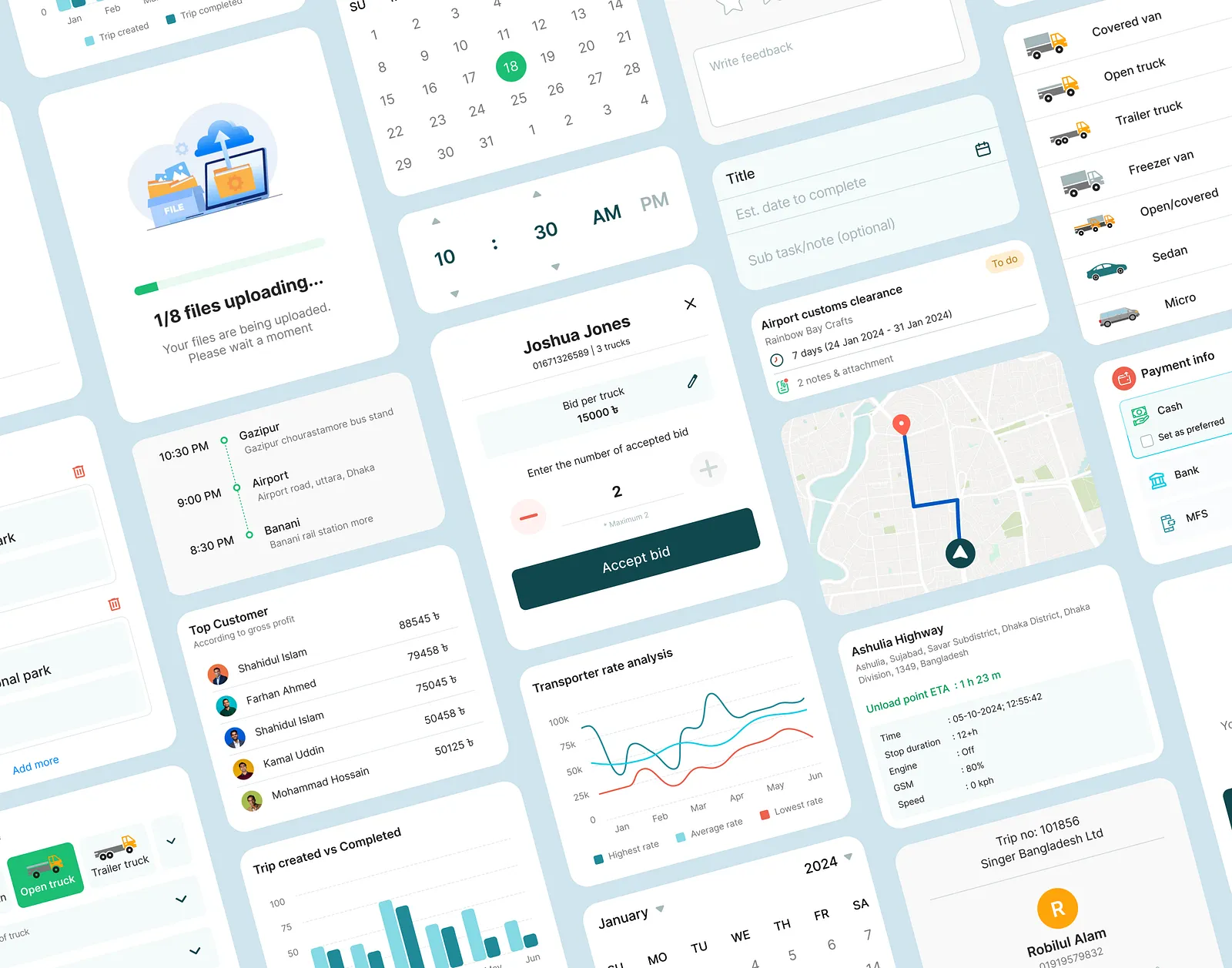
A professional user interface, in addition to aesthetics, must also be compatible with accessibility principles. This includes using appropriate color contrast, readable font sizes, and design usable for users with different conditions. Adhering to these principles not only improves the user experience but also makes the product usable for a wider range of users.
Ultimately, user interface design acts as a bridge between user experience design and software development. The output of this stage typically includes final page mockups, design components, and a visual guide for the development team to implement the product exactly according to the design.