Database is the backbone of data storage and management in any software product. Database implementation goes beyond creating a few simple tables; this process includes designing a logical data model that covers all your business entities, the relationships between them, and future requirements. A principled database design guarantees Data Integrity and prevents unnecessary redundancy.
At this stage, based on the nature of the data and access needs, the database type is chosen; whether relational databases (SQL) like PostgreSQL for structured data with complex relationships, or non-relational databases (NoSQL) like MongoDB for flexible and unstructured data. After modeling, it's time to implement relationships, indexing to increase query speed, and transaction management to ensure data accuracy under different conditions.
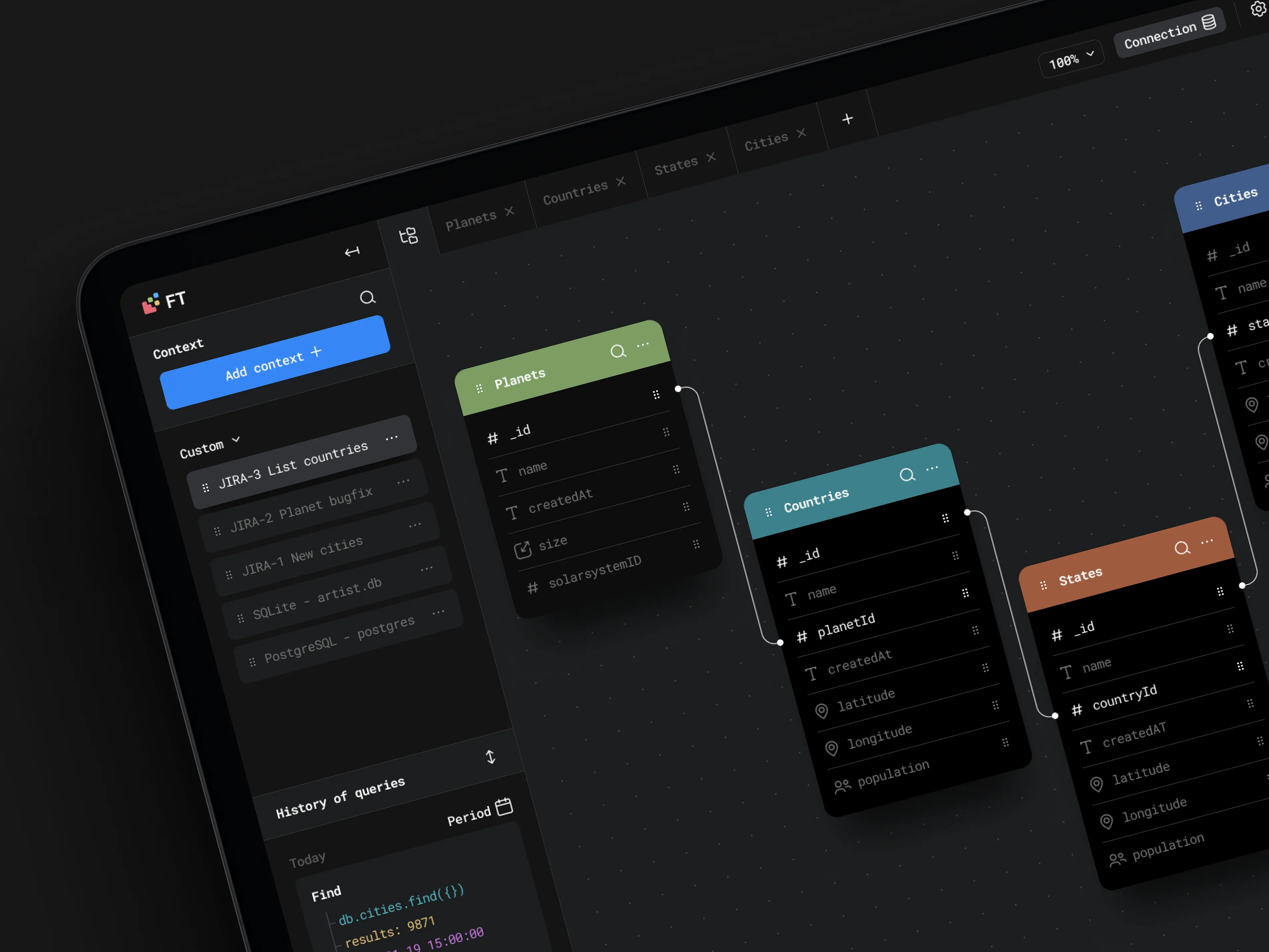
Database integration with the application includes implementing a Data Access Layer. In modern projects, ORMs (Object-Relational Mapping) are typically used to simplify and secure the connection between server code and the database. In addition to design and implementation, topics such as backup strategies, data recovery, and database access security are critical priorities at this stage.
- Designing Data Models
- Choosing and configuring the appropriate database engine
- Optimizing queries for high execution speed
- Implementing backup and recovery mechanisms
- Ensuring security of data access levels